A Beginner's Planting Calendar for a Small Vegetable Garden
A flexible month-by-month planting calendar for new gardeners, with easy crops, succession sowing, and simple seasonal tasks for a compact vegetable plot.
A small vegetable garden does not need a complicated plan. It needs a few reliable crops, a rough sense of timing, and the willingness to sow a little more lettuce than you think you need. The calendar below is built around one anchor: your last expected spring frost. Once you know that date, most planting decisions become a matter of counting weeks forward or back. The months below assume a temperate climate with four seasons. Shift them to fit your own last and first frost dates. Treat the months as a guide, not a rulebook. If spring is slow, wait. If summer arrives with a heatwave, plant in the evening and shade young seedlings for a few days.
The most useful thing you can do in the first year is write down your frost date, your soil type, and what actually grew well. A garden in a sheltered courtyard can be two weeks ahead of one on an open allotment, even in the same town. Notice where the sun sits at midday, where water collects after rain, and where the wind hits hardest. These small observations matter more than a perfect calendar. A bed that gets six hours of sun will grow lettuce and herbs happily, but tomatoes will sulk. A low spot that stays wet in March is better saved for late beans than for early radish.
Start With a Short List of Easy Crops
For a first season, keep the list short. Loose-leaf lettuce, radish, spinach, bush beans, zucchini, cherry tomatoes, basil, and a pot of chives will give you plenty to pick without turning the garden into a second job. These crops forgive imperfect watering, mature quickly, and fit into small beds or containers. Choose compact varieties where you can: bush beans instead of climbing beans, cherry tomatoes instead of beefsteak types, and small-framed lettuces that can be cut repeatedly.
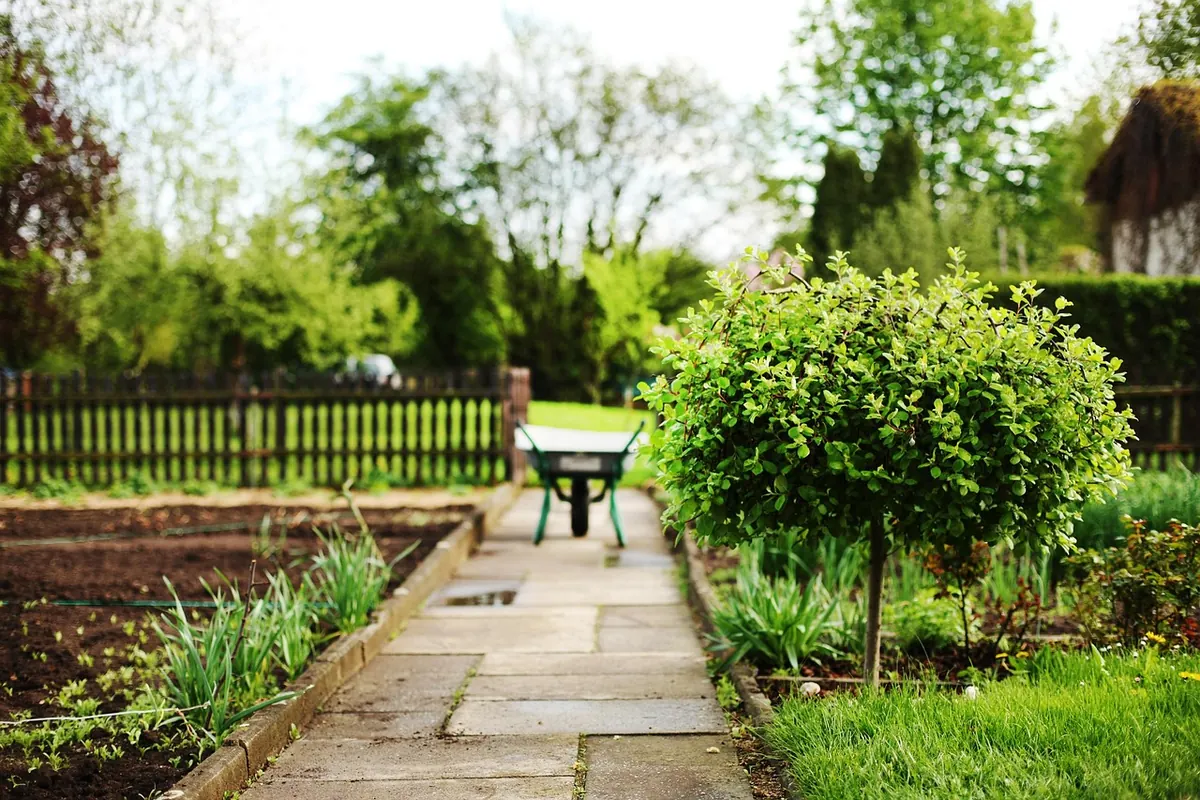
In a bed about the size of a door, you can grow a row of lettuce, a patch of radish, a cluster of bush beans, one or two cherry tomato plants, and a zucchini at the edge. Leave paths wide enough to kneel on. Crowding is the most common beginner mistake: plants that touch each other stay wet, attract slugs, and compete for food. Space them as the seed packet suggests, even if the seedlings look lonely at first.
It also helps to grow a few cut-and-come-again crops. Loose-leaf lettuce, chard, and parsley can be harvested leaf by leaf over many weeks instead of being pulled up all at once. That makes a small garden feel productive even when the tomatoes are still green. Keep a short row for quick salads and a separate patch for plants that need to stay in the ground longer, such as zucchini and tomatoes. Mixing the two can make the bed look untidy, but it also confuses pests and makes better use of leftover space.
Early Spring: Cool-Season Crops and Indoor Starts
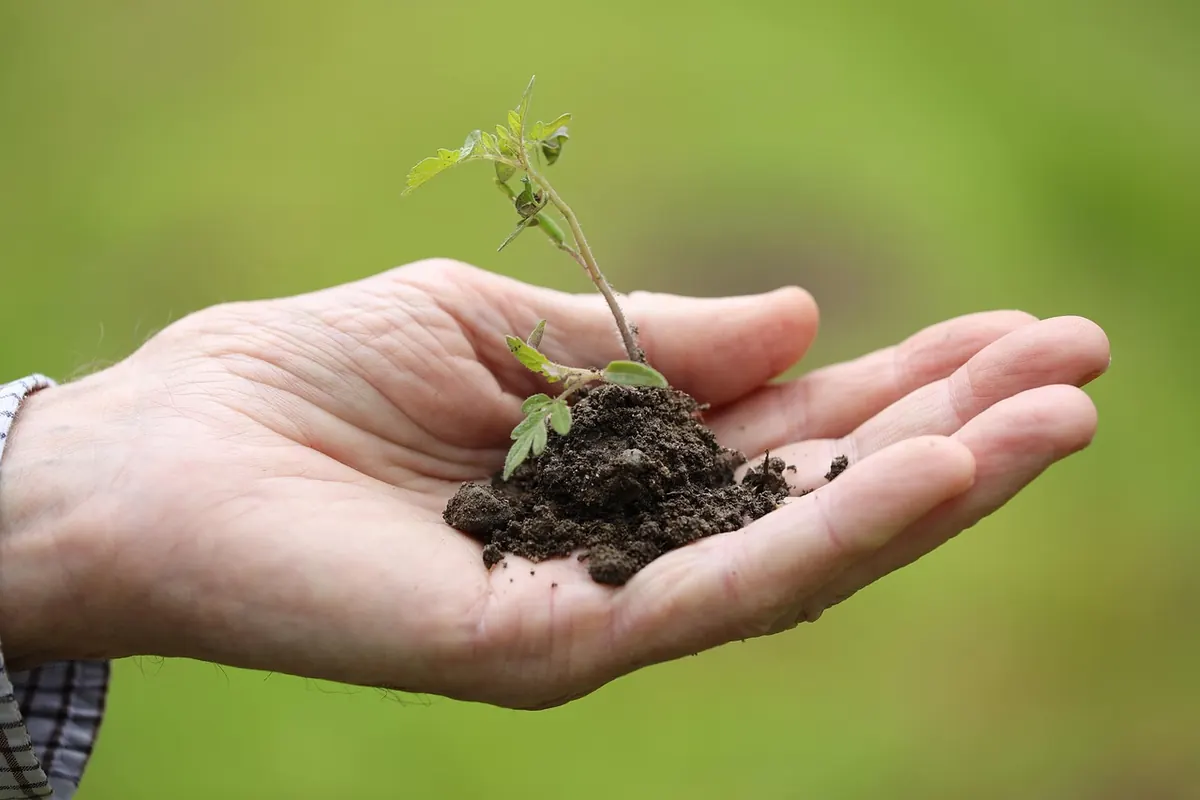
About six to eight weeks before your last frost, start tomatoes, peppers, and basil indoors on a sunny windowsill or under a simple grow light. Use clean pots and fresh seed compost. Keep the compost damp but not soggy, and turn the pots every few days so the seedlings grow straight. If you do not have a bright spot, buy small plants later instead. There is no prize for raising every plant from seed.
Outdoors, sow radish, spinach, and lettuce as soon as the soil can be worked. It should crumble in your hand rather than clump like wet clay. Peas can go in around the same time, either in a short row or up a small support. Cover early sowings with fleece or a cloche if nights are still cold. Make the first lettuce sowing small, then sow another pinch every two to three weeks. A single large sowing often bolts in the first warm spell, leaving you with more leaves than you can eat and none for later.
Before sowing, clear the bed of weeds and add a thin layer of compost if the soil looks pale or tired. Do not dig when the ground is wet enough to stick to your boots; walking on wet soil compresses it and makes roots struggle later. If the bed is new, start small. Two or three square metres planted well will teach you more than a larger plot that becomes overwhelming by June. A simple soil thermometer is a useful extra, but your hand is often enough: if the soil feels cold and clammy, wait a little longer.
Mid to Late Spring: The Big Planting Window
After the last frost has passed and the soil has warmed, the garden opens up. Harden off indoor-raised plants before they go outside. A simple routine works well:
- Put the plants outside in a sheltered, bright spot for two hours on the first day.
- Add an hour or two each day, bringing them back in at night.
- After a week, leave them out overnight if the weather is mild.
- Plant them into damp soil, water well, and shade them from strong sun for a day or two.
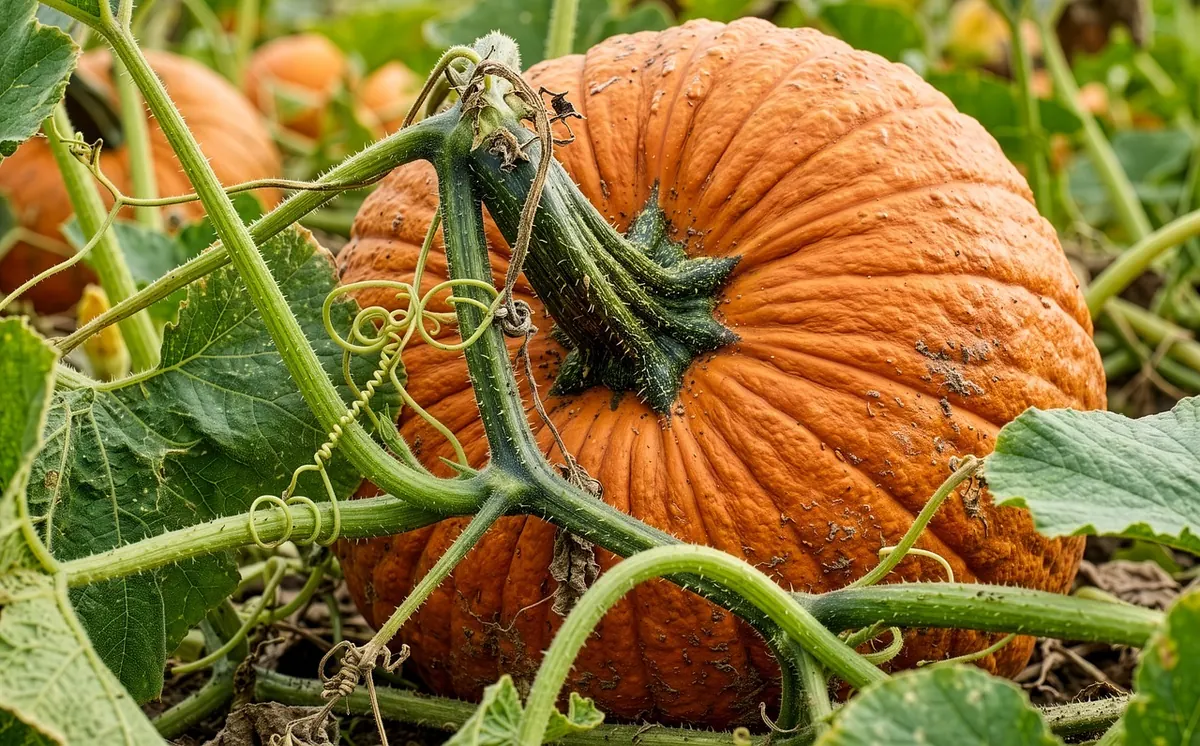
Plant out tomatoes, peppers, and basil once nights are reliably mild. Direct sow bush beans, zucchini, and cucumbers. Beans dislike cold, wet soil, so wait until it feels warm to the touch. Zucchini can be sown on a small mound of soil, two seeds per spot, then thinned to the strongest plant. Keep a little space around each plant; zucchini grows wider than many beginners expect.
This is also the moment to think about support and air flow. Put stakes or small cages around tomatoes before the plants need them, because pushing a stake into a crowded bed later can damage roots. Leave a gap between rows so you can reach the middle without stepping on plants. If slugs are a problem, water in the morning and keep mulch a little away from tender stems. A single beer trap or a few copper rings may be enough in a small plot; the aim is control, not perfection.
Summer: Harvest, Water, and Replant
By midsummer, the garden is less about sowing and more about keeping plants healthy. Pick beans and zucchini often; the more you harvest, the more the plants produce. Water deeply two or three times a week rather than giving a light sprinkle every day. A layer of straw, grass clippings, or compost around the plants helps hold moisture and keeps the soil cooler. Water the soil, not the leaves, especially in the evening.
Watch for the first signs of trouble rather than waiting for a full invasion. Yellowing lower leaves on beans may mean too much water, while sticky leaves on tomatoes can point to aphids. Pick off damaged leaves, remove slugs after dark with a torch, and keep fallen fruit off the soil. If a plant is badly diseased, take it out rather than letting it spread. A small garden has little room for sick plants, and a quick clear-out often saves the rest of the crop.
As soon as a crop finishes, clear the space and sow something else. A patch that held early spinach can take a late sowing of radish or a few spring onions. This is called succession sowing, and it is the easiest way to keep a small bed earning its keep. Keep a little packet of quick seeds on the shelf for exactly this purpose.
A Simple Succession Plan for Small Spaces
If you want to keep picking without a spreadsheet, use this rough pattern and adjust it to your own frost dates.
- Six to eight weeks before last frost: start tomatoes, peppers, and basil indoors.
- Four weeks before last frost: sow radish, spinach, and a small pinch of lettuce outdoors.
- Two weeks before last frost: sow peas and another small lettuce row.
- Last frost week: harden off tender plants and prepare supports.
- One to two weeks after last frost: plant tomatoes and basil, direct sow beans and zucchini.
- Midsummer: sow a short row of radish or spinach where an early crop has finished.
- Late summer: sow overwintering spinach or a final quick lettuce crop in a cool spot.
The point is not to follow every line exactly. It is to avoid the two common extremes: sowing everything on one sunny Saturday in May, then having nothing to pick in July, or waiting so long for perfect weather that the season slips away.
Fall and Early Winter: A Gentle Second Season
Autumn is often kinder than summer. The soil is still warm, the pests are fewer, and leafy crops grow quickly without bolting. Clear spent bean plants and zucchini vines, add compost, and sow spinach, winter lettuce, or a green manure such as field beans if the bed will be empty. In mild climates, a cloche or cold frame can keep salad leaves going into early winter. In colder areas, garlic planted in late autumn will sit quietly until spring and give you an early start next year.
Before the first hard frost, tidy the plot but leave a little mess for wildlife. Seed heads can feed birds, and a few fallen leaves give shelter to beneficial insects. Clean and store stakes, empty pots, and leave the soil roughly dug or mulched rather than bare and compacted. Then make a few notes: what grew best, what you would skip, and what you want to try next year. A beginner's calendar becomes truly useful in its second year, when it is filled with your own weather, your own soil, and your own small successes.
Photo: hudsoncrafted / Pixabay