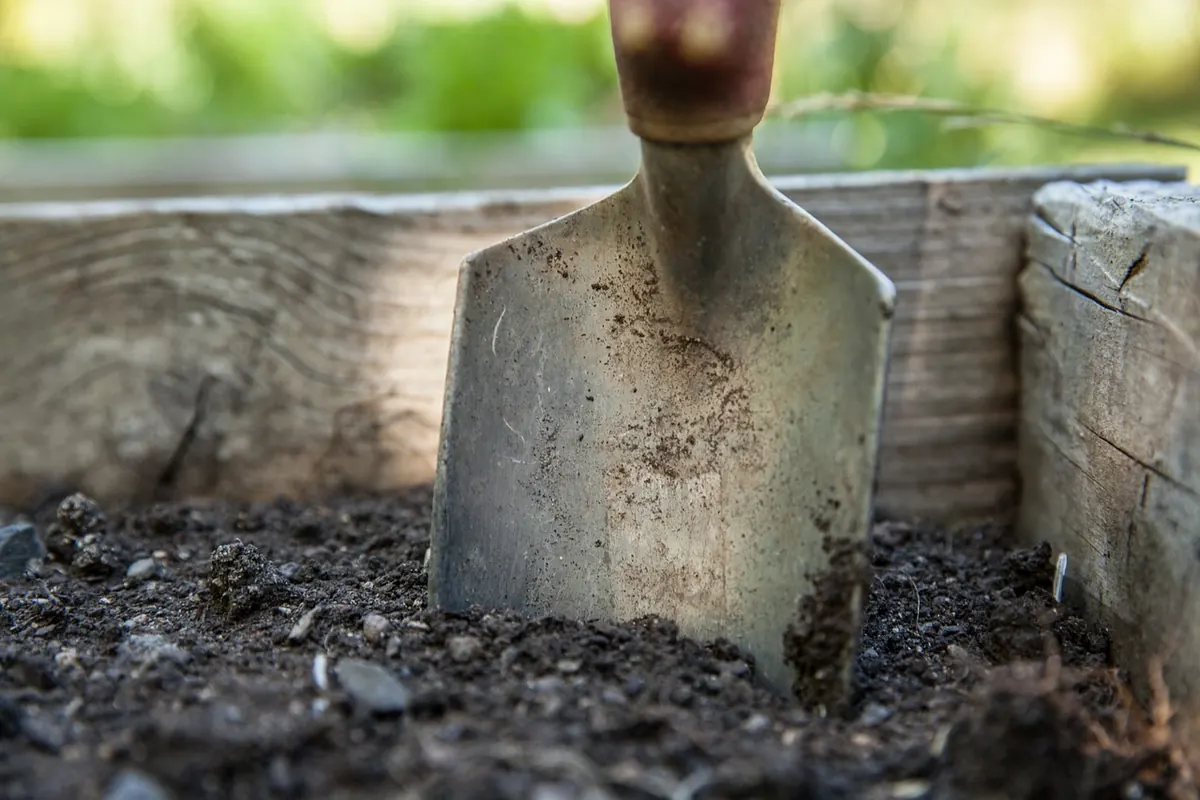
Direct Sowing vs Transplanting: Which Is Better for 10 Common Vegetables
A practical comparison of direct sowing and transplanting for ten common vegetables, with the root and timing reasons behind each choice and advice you can use this season.
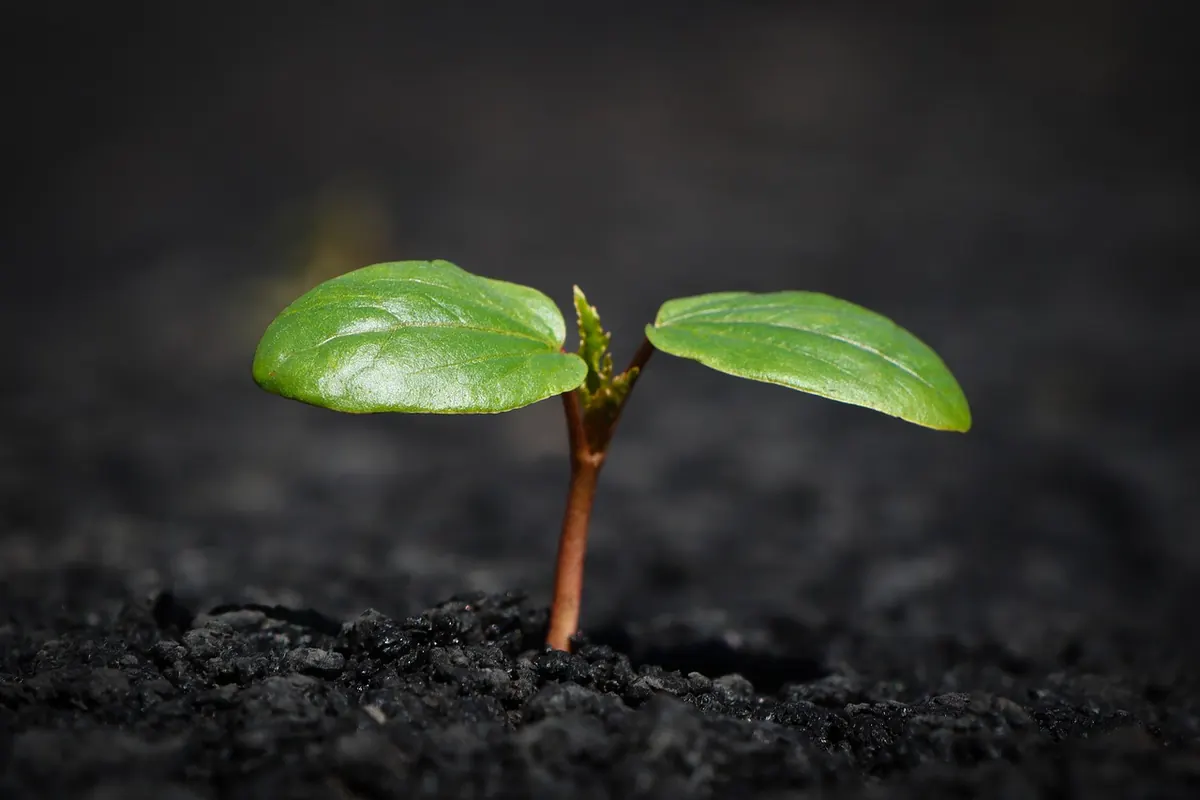
There is a moment in late winter, with seed packets spread across the kitchen table, when every vegetable looks equally easy to grow. Then you turn the packet over and the doubt creeps in: start these indoors six weeks before the last frost, or wait and sow straight into the ground? Get it wrong and you lose weeks the season will not give back.
Both methods work. Neither works for every crop, in every garden, in every climate. A tomato seed dropped into cold ground will sit and sulk while a neighbour's transplants are already flowering. A carrot started in a tray and moved outside tends to twist into knots and never straighten out. What follows is how to make the call, and what to do with ten vegetables most of us actually plant.
The real difference: roots and timing
Direct sowing means the seed germinates where the plant will live out its whole life. No move, no shock, no hardening off. The seedling emerges into the exact conditions it will face as an adult, which matters more than most gardeners expect.
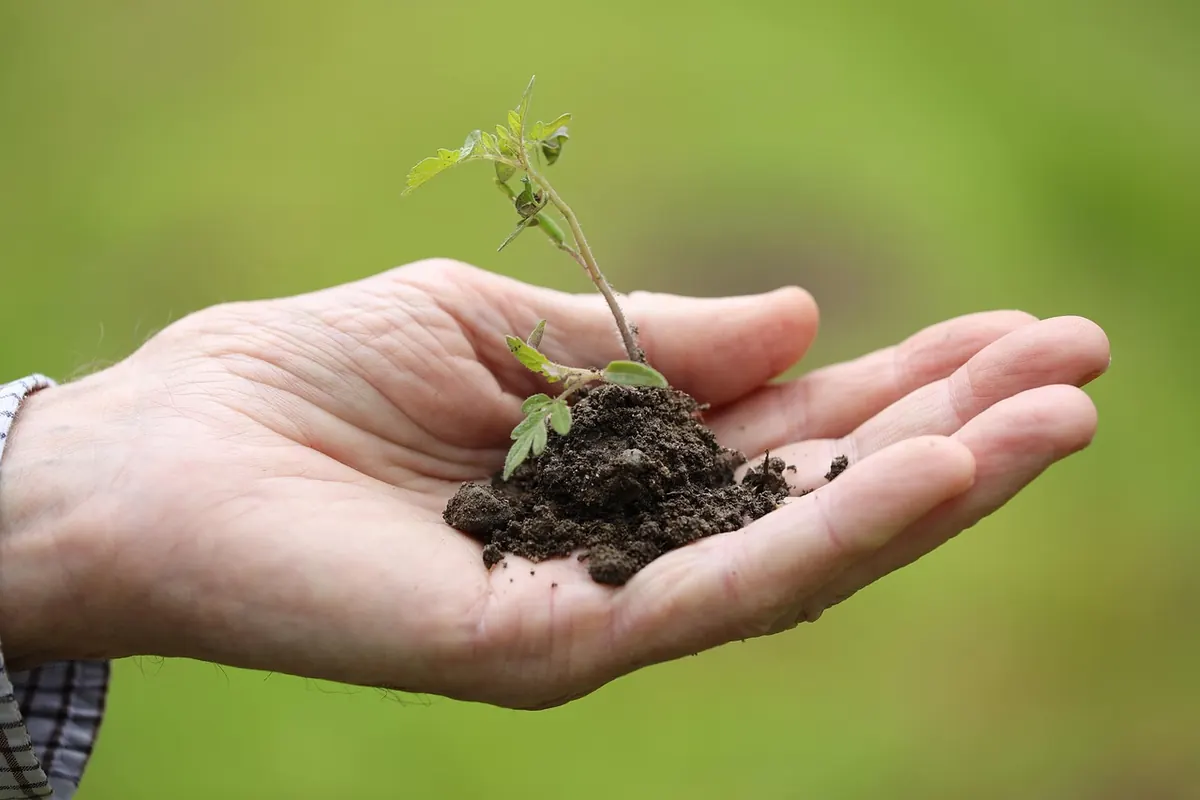
Transplanting buys time. You germinate seed in warmth and light, under conditions you control, while the garden is still too cold or too wet. By the time the last frost passes you have a sturdy plant with a head start of four to eight weeks.
What decides the choice, more than anything, is the root system. Crops with a strong taproot — carrot, parsnip, beet, radish — send down one dominant root that does not like being nudged. Disturb it and you get forked, stunted, sulky roots. Crops with fibrous roots, such as tomatoes, lettuce and brassicas, tolerate handling well and often benefit from it.
When direct sowing is the better bet
Sowing in place is simpler, cheaper and faster for fast-germinating crops. There is no potting mix, no windowsill real estate, no week of dragging trays in and out of the house. Plants that germinate in the garden develop deeper anchorage and, in many cases, need less attention to watering once established.
- No transplant shock. The seedling never pauses to recover, so growth is continuous.
- Better for taproots. Carrots, parsnips and radishes develop straight, clean roots.
- Cheaper and less fussy. A packet of seed, a drill in the soil, a watering can.
- Thinning teaches you a lot. Selecting the strongest seedlings in real garden conditions builds a better eye than raising them in trays.
The costs are real too. You are at the mercy of soil temperature and slugs, germination is patchier, and you cannot start before the ground warms. In a short season, that delay can be the difference between a full harvest and a thin one.
When transplanting earns its keep
Transplants are worth the trouble for anything slow, tender or expensive to lose. A pepper that germinates in eight to fourteen days in cool soil, then grows slowly, gains weeks from an indoor start. So do tomatoes, eggplant and most of the summer cucurbits.
There are secondary benefits. You can germinate far more seed than you need and plant only the strongest seedlings. You can protect young plants from slugs and flea beetle while they are small. And you can follow one crop with another — pulling out bolted lettuce in June and setting in leeks the same afternoon — in a way direct sowing rarely allows.
Against that: the cost of trays and mix, the space under lights, the risk of leggy seedlings, and the hardening-off week that many gardeners skip and then regret. Seedlings raised indoors are soft. Plant them straight out and a bright afternoon and a cool night will set them back a fortnight.
Ten vegetables, decided
Sow these where they will grow
Carrot — direct, always. Sow thinly in shallow drills once the soil is workable, keep the surface moist until germination, then thin ruthlessly. Radish — direct, in succession every two or three weeks; it is ready in under a month. Beet — direct, though multi-seeded clusters need thinning. Peas — direct, sown in a trench in cool spring soil; they dislike root disturbance and grow fast enough once conditions suit them. Sweet corn — direct once the soil is properly warm, sown in blocks rather than rows so pollination is even.
Start these indoors, then transplant
Tomato — six to eight weeks before the last frost, planted out after nights stay reliably mild. Pepper and chilli — eight to ten weeks, and patience at planting time; they stall in cold soil. Eggplant — even slower, and the most demanding of warmth. Lettuce — transplants give you a jump on spring, though summer sowings are easier done direct in the shade of taller crops.
Either works, with a caveat
Cucumber and summer squash — direct sowing is fine in warm soil, but transplants in individual pots, set out young and undisturbed, give an earlier first pick. Beans — direct is standard, though a first row of transplants under cover can bring bush beans forward by a couple of weeks if your season is short.
Timing advice that saves you a season
Soil temperature beats the calendar every time. Lettuce germinates in soil around 5°C, peas at 8°C, beans need 15°C or more, and sweet corn and cucurbits want close to 18°C. A cheap soil thermometer is more useful than any date on a packet.
For transplants, count backwards from your last expected frost rather than forwards from spring. Then harden off properly:
- Start seven to ten days before planting out, in a sheltered spot out of direct sun and wind.
- Add an hour or two of sun each day, bringing plants back in at night.
- Extend the outdoor time gradually until they stay out overnight, once nights are mild.
- Water well before planting, plant in the evening or on a dull day, and shade new transplants for the first day or two.
A workable compromise for most gardens
Do not choose one method for the whole plot. Sow roots, peas, beans and corn directly; raise tomatoes, peppers, eggplant and a first round of lettuce indoors. Fill the gap in early spring with quick direct sowings of radish and spinach, and keep a few lettuce transplants ready to plug gaps as crops come out.
Label everything, including the date, and note what worked. Two seasons of your own notes will tell you more about your soil and your climate than any general rule. And if a sowing fails, sow again — most of these crops forgive a second attempt far more readily than they forgive a careful one that never happened.
Photo: M_wie_Moehre / Pixabay